
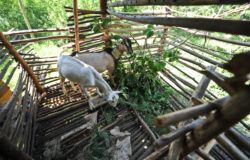

Study finds that some tropical grasses provide nutritious animal feed and improved nitrogen use efficiency
Increasing land area under grasses that inhibit nitrification will improve farm productivity and decrease nitrous oxide emissions, among other benefits. Emissions of nitrous oxide, a potent …read more

Mitigation co-benefits of increased water and nutrient efficiency in irrigated rice in Bangladesh
In Bangladesh, agricultural development practices that increased water and nutrient efficiency in irrigated rice contributed to increased yields, climate resilience and greenhouse gas mitigation. Irrigated …read more

Improving reporting for agricultural emission reductions in the livestock sector
Innovations for improved reporting of mitigation in the livestock sector demonstrate progress towards national climate commitments. To help track progress on countries’ mitigation pledges for …read more
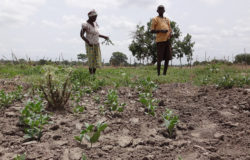
Study outlines nutrient management policy considerations relevant for African countries
Analysis shows sound nutrient management that increases crop productivity and maintains food security is compatible with low emission development in Africa. Experts estimate that Africa …read more

From the ground up: Africa aims for sustainable, resilient soil management to combat climate change
Africa’s soils are under threat, especially due to climate change. But improved practices that conserve and maintain soils for future food and nutrition needs are …read more
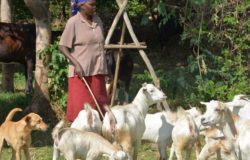
Animal breeding benefits farmers, offers food secure opportunity for mitigating climate change
A climate-smart agriculture practice brief on improved ruminant genetics summarizes the state of the science and provides implementation guidance for policymakers and investors. Improved ruminant …read more

Improved greenhouse gas inventories for livestock essential to meet Paris Climate Agreement
Improved greenhouse gas inventories and approaches for livestock are necessary to meet international climate tarkets, say researchers. To reduce greenhouse gas emissions from the livestock …read more

Viet Nam’s agriculture sector hastens emissions mitigation, joins global climate deal
The agriculture sector of Viet Nam is hastening the development of an action plan for reducing emissions towards a global low-carbon, climate-resilient future. The agriculture sector …read more
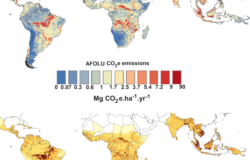
Better data on tropical greenhouse gas emissions hotspots from land use sector now available
Scientists published detailed land sector gross emissions data and corresponding uncertainties for the tropics, enabling better estimates of mitigation potential and data-driven decision-making needed to …read more